Solar-Powered Queue & Drive-Thru Tech in Pakistan 2026
Ask any retail operations manager in Pakistan what kills a customer-facing kiosk or display screen fastest, and the answer usually isn’t hardware failure — it’s a power cut hitting right in the middle of a busy service window. A queue management system in pakistan is only as reliable as the power feeding it, and in 2026, scheduled and unscheduled loadshedding is still a daily planning factor for banks, telecom retailers, and quick-service restaurants across the country.
That reality is pushing more operators toward solar-backed power setups for exactly the equipment that can’t afford to go dark — ticket kiosks, counter displays, drive-thru order boards, and the servers running it all behind the scenes.
Why Pakistan’s Power Reliability Problem Is a Technology Problem Too
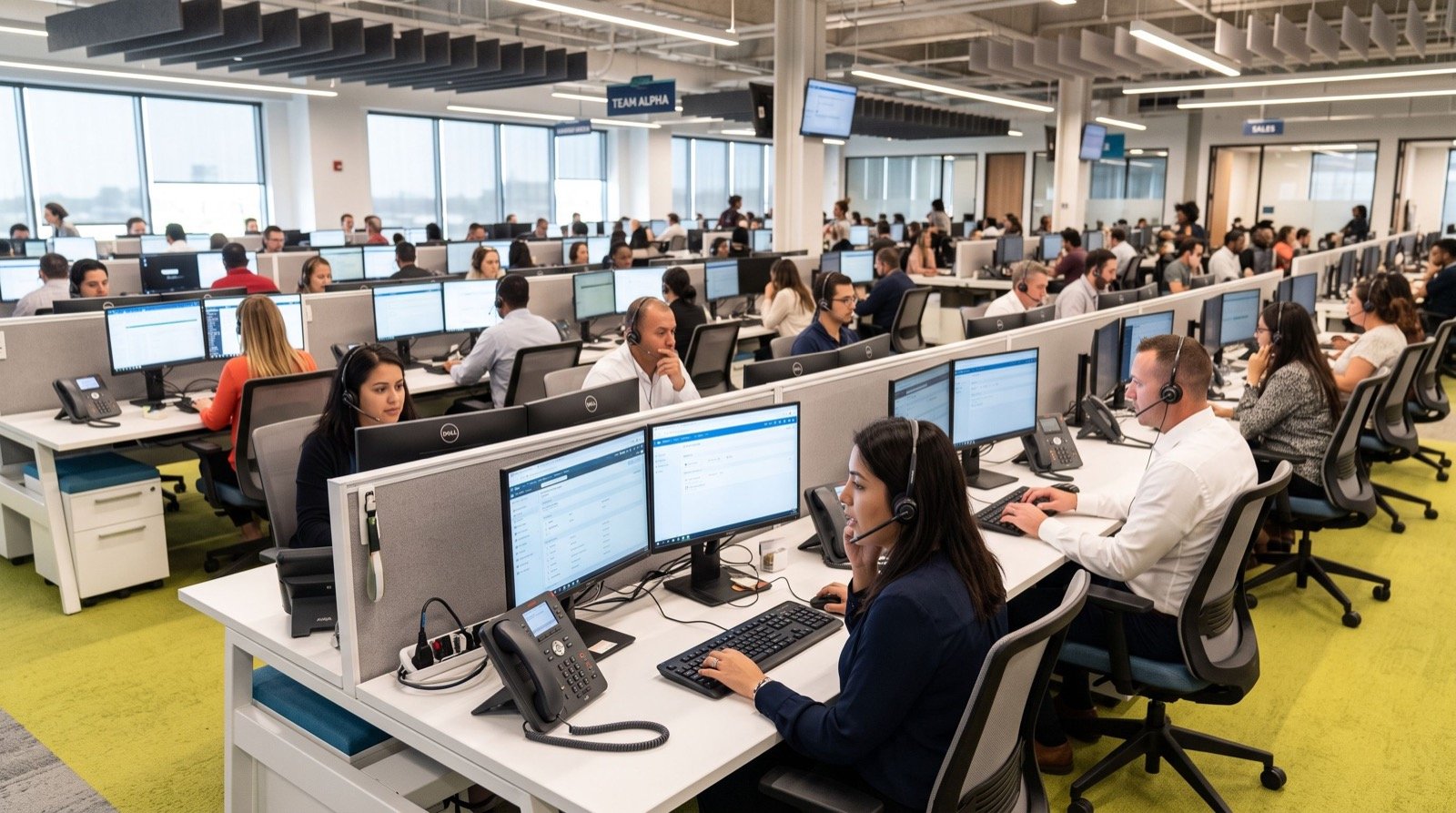
It’s easy to think of loadshedding as a lighting and air-conditioning issue, but for a branch running digital queue tickets or a drive-thru lane, a power interruption means the ticketing kiosk freezes, the counter display goes blank, and staff fall straight back into shouting numbers across a crowded room. Customers who were mid-wait lose their place, and the data the system was supposed to capture for that hour simply disappears.
For multi-branch operators, the cost compounds. A head office dashboard tracking wait times across twenty locations is only useful if all twenty locations are actually online, and in cities with frequent outages, that’s rarely guaranteed without a backup power plan built in from the start.
How a Queue Management System in Pakistan Can Survive a Power Cut
The fix isn’t exotic — it’s the same layered approach IT teams use for servers, applied to customer-facing hardware. A queue management system in pakistan deployment that’s built to survive outages typically pairs a small UPS for instant failover with a solar-plus-battery setup that can carry the kiosk, display, and router load for several hours without mains power at all.
The key design point is that the kiosk and display don’t need much power individually — the load is small and steady, which makes them a genuinely good fit for solar, unlike heavier equipment such as air-conditioning or industrial kitchen gear.
PAR Drive Thru Solutions Face the Same Backup-Power Challenge
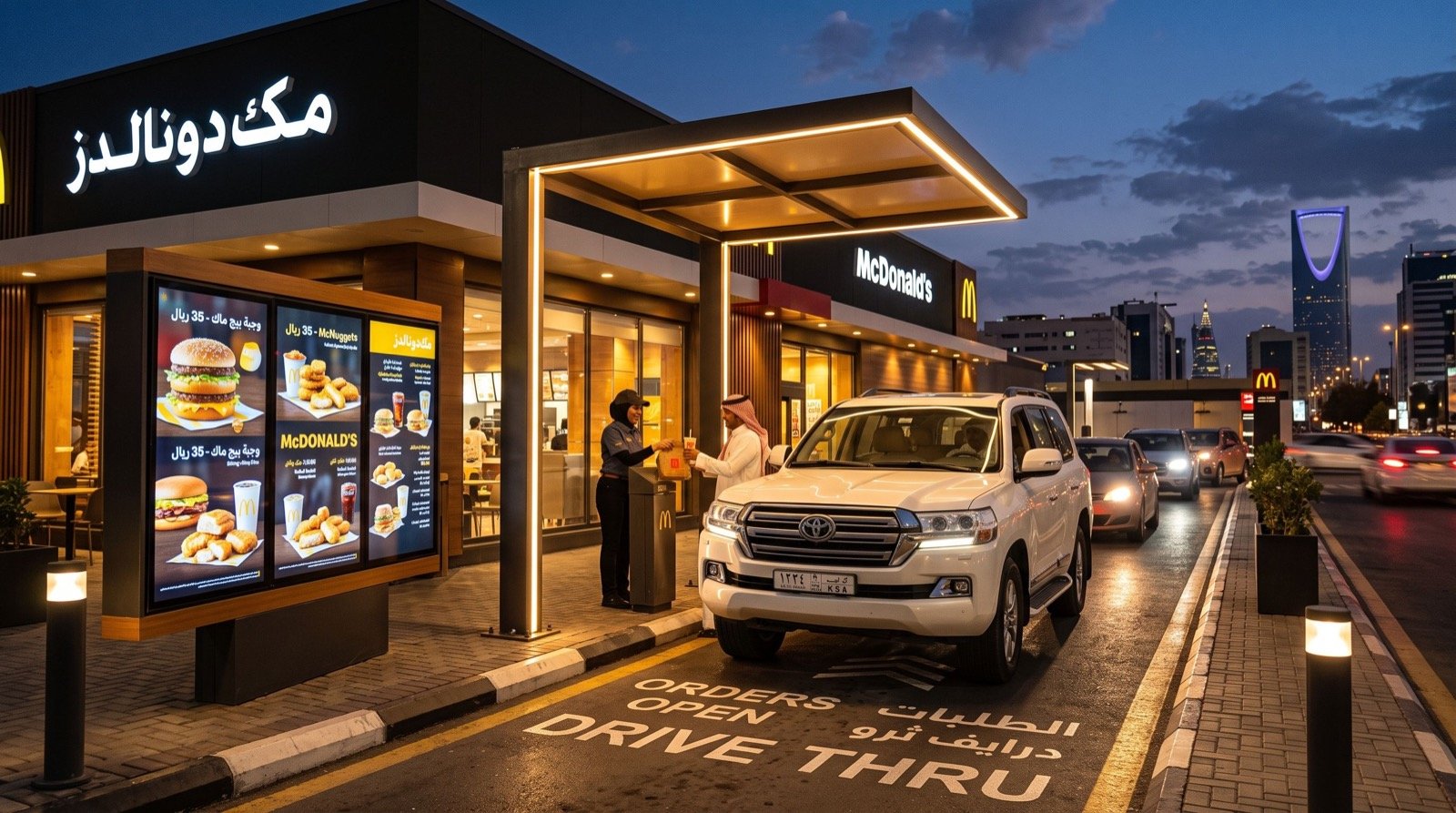
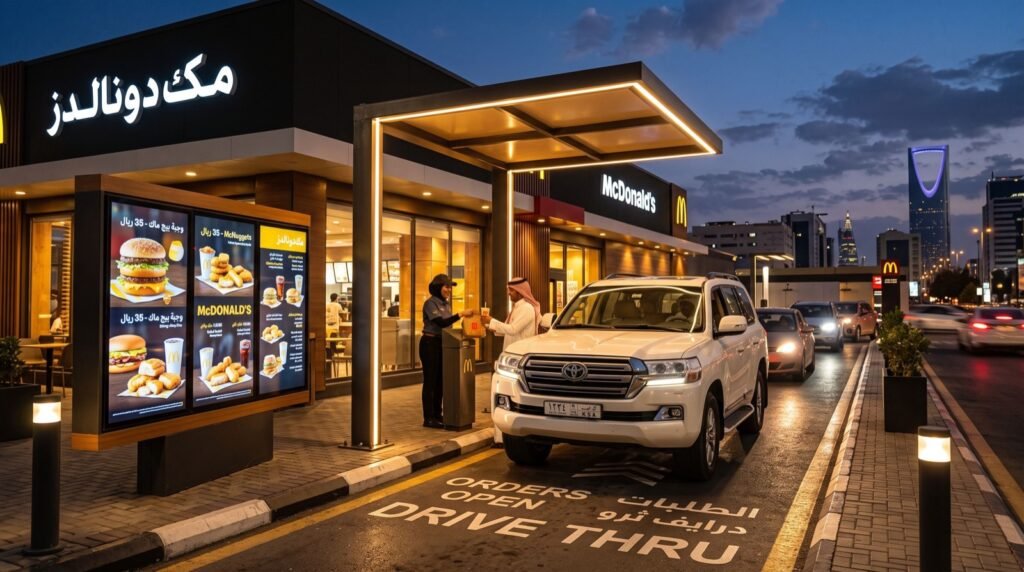
Quick-service restaurants running drive-thru lanes have an even more time-sensitive version of this problem, since a dead order board or headset system during peak lunch hour sends cars straight to a competitor. PAR Drive Thru solutions depend on a chain of electronics — menu boards, timer displays, headset base stations, and kitchen display screens — that all need to stay powered through exactly the hours when the grid in many Pakistani cities is most strained.
Drive-Thru and Queue Equipment That Needs Backup Power
- Digital menu boards and counter/kiosk display screens
- Headset base stations and wireless order-taking systems
- Network routers and the local server running queue software
- Vehicle detection sensors and timer tracking units
- Point-of-sale terminals processing the actual transaction
Is Solar Actually a Practical Backup for Retail Electronics?
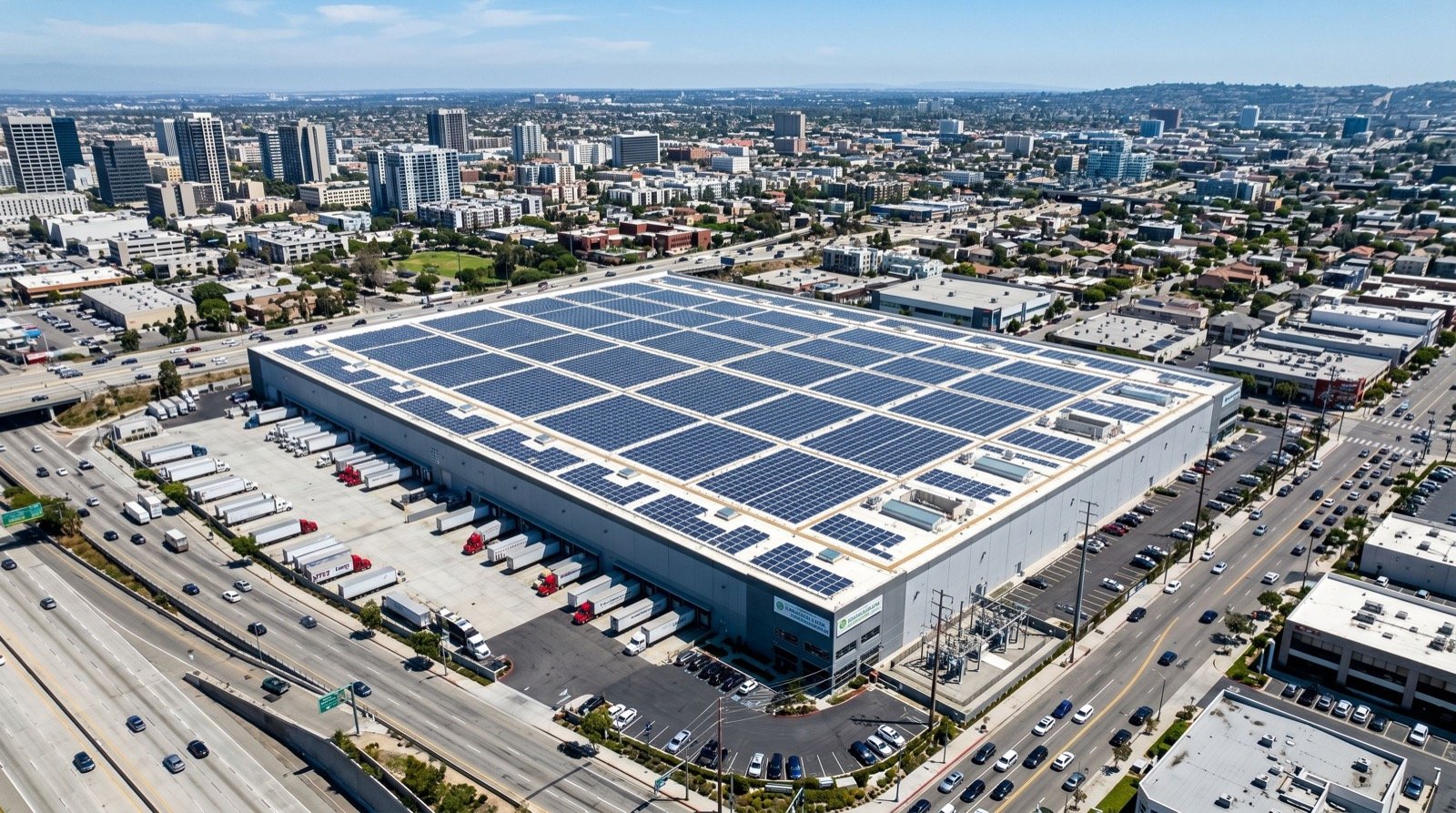
For this specific category of equipment, yes — far more practical than it would be for heavier loads. A modest rooftop or canopy solar array paired with a lithium battery bank can comfortably run queue kiosks, displays, and networking gear through a multi-hour outage, and recharges during the daylight hours when most retail locations are open anyway.
| Backup Option | Running Cost | Good Fit For |
|---|---|---|
| Diesel generator | High (fuel + maintenance) | Short, infrequent outages |
| Battery UPS only | Low, but limited runtime | Bridging brief switch-over gaps |
| Solar + battery bank | Low after install, no fuel | Daily scheduled loadshedding |
Generators remain useful for sudden, unscheduled outages, but for the predictable daily loadshedding windows most cities still experience, a solar-plus-battery setup pays for itself far faster because there’s no recurring diesel cost eating into the savings.
Where Solar Fits Into a 2026 Retail Tech Budget
Retailers planning a queue or drive-thru upgrade this year are increasingly bundling the solar backup into the same project budget rather than treating it as a separate line item after the fact. Anyone sizing a system for a specific site in Islamabad should start with a proper load assessment — a detailed trusted professionals buying guide for solar panels in Islamabad is a solid reference point for understanding panel counts, battery sizing, and realistic payback periods before committing to hardware.
Getting the sizing right matters more for retail electronics than most people assume — an undersized system that only lasts two hours into a four-hour outage defeats the whole purpose of installing it.
Planning the Install: A Short Checklist
Before contacting an installer, a quick internal audit saves a lot of back-and-forth later. Walk through each point below with whoever manages the branch’s electronics.
- List every device that must stay on — kiosk, display, router, POS terminal, and any headset base stations.
- Check each device’s rated power draw — usually printed on the unit or available from the vendor spec sheet.
- Confirm the longest typical outage window — four hours needs a very different battery size than eight.
- Decide on roof, canopy, or ground-mount panels — drive-thru canopies often double conveniently as a mounting surface.
- Ask installers for a written payback estimate — comparing it against current generator fuel spend makes the decision concrete rather than theoretical.
Branches that complete this checklist before requesting quotes tend to get far more accurate installer proposals, since the installer isn’t guessing at load figures or outage patterns.
Frequently Asked Questions
How much solar capacity does a single branch queue kiosk setup actually need?
Most single-counter kiosk and display setups draw a modest, steady load, and a small rooftop array paired with a lithium battery bank sized for four to six hours of runtime covers the typical daily outage window for most Pakistani cities.
Does solar backup work for drive-thru headset systems specifically?
Yes, headset base stations and order boards draw relatively little power compared to kitchen equipment, making them an easy win for solar backup even on a modest-sized system.
Is a solar backup cheaper than running a generator long-term?
For predictable daily outages, yes — once installed, solar has no ongoing fuel cost, while a generator’s fuel and maintenance expense adds up quickly over months of regular use.
Should solar sizing be done before or after choosing the queue software vendor?
It’s best done in parallel. The vendor can usually tell you the exact power draw of each kiosk or display unit, which lets the solar installer size the battery bank accurately instead of guessing.
Final Thoughts
Global installed solar capacity continues to grow rapidly according to the International Energy Agency, and that falling cost curve is exactly what’s making small-scale backup systems for retail electronics increasingly affordable in markets like Pakistan. Pairing reliable queue and drive-thru hardware with a properly sized solar backup isn’t just an environmental choice in 2026 — for operators dealing with daily loadshedding, it’s becoming the difference between a branch that stays open through an outage and one that quietly loses every customer standing in line when the power drops.