Eco-Friendly Dog Waste Disposal: The 2026 Guide to a Greener Cleanup Routine
Every dog leaves an environmental footprint, and waste is the biggest part of it. Done carelessly, dog waste pollutes water, releases methane, and fills landfills with non-degrading plastic. Done thoughtfully, eco-friendly dog waste disposal shrinks that impact dramatically. This 2026 guide shows how the right tools and habits let you clean up after your dog while treading lighter on the planet.
I started rethinking my own routine after learning how much plastic a single dog generates over a lifetime. The changes were surprisingly easy, and none of them made cleanup harder, which is exactly why they stuck.
Why Eco-Friendly Dog Waste Disposal Matters in 2026
Dog waste is not fertilizer. Its high nitrogen content burns lawns, and its bacteria contaminate waterways when it washes into storm drains. Meanwhile, standard plastic bags entomb waste in landfills for centuries. Eco-friendly dog waste disposal tackles both problems: it keeps contaminants contained and reduces persistent plastic.
The environmental case is strong and growing. As more owners recognize the cumulative impact of millions of dogs, greener cleanup habits have moved from niche to mainstream.
The Environmental Costs of Careless Disposal
- Water pollution: bacteria and nutrients degrade streams and lakes.
- Lawn damage: concentrated nitrogen scorches grass.
- Plastic persistence: conventional bags linger for centuries.
- Methane release: waste in landfills emits greenhouse gases.
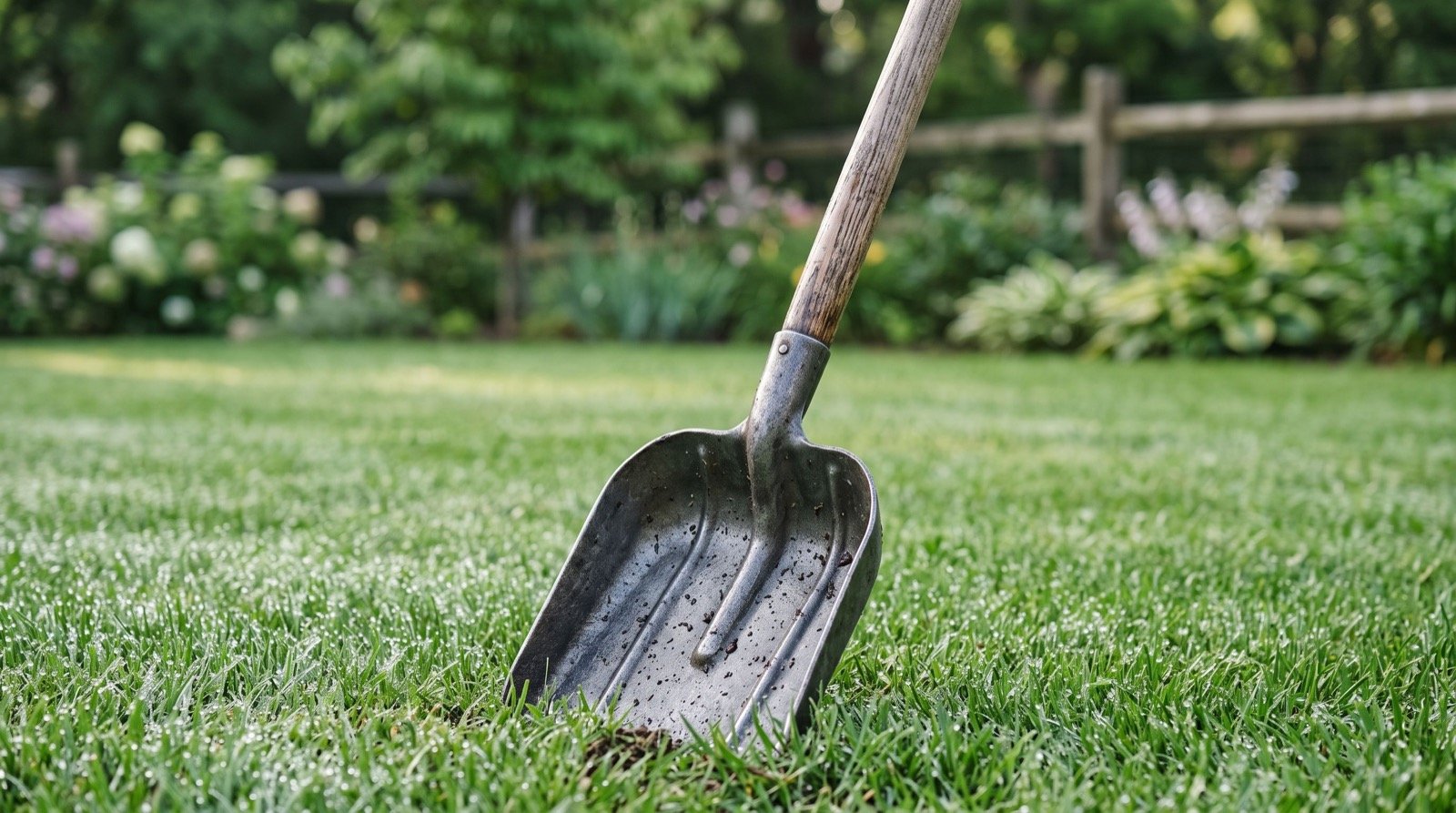
A durable tool reduces plastic churn by lasting for years. Pairing a long-lived scoop with a reusable-clip heavy duty tool bag means you buy and discard far less gear over your dog’s lifetime.
How Can You Make Your Cleanup Routine Greener?
Going greener is about smarter choices, not sacrifice. These practical swaps cut your footprint without adding a single minute to the chore.
- Buy durable tools: one metal scooper replaces dozens of plastic ones.
- Choose thicker bags: fewer bags fail, so fewer are wasted.
- Dispose properly: seal and bin waste; never leave it to run off.
- Consider dedicated systems: in-ground digesters break waste down safely.
Durability is the quiet hero of sustainability. A reliable Pooper scooper near me search should end with a metal tool you keep for years, not a throwaway you replace every season.
Disposal Methods Compared
| Method | Eco Impact | Effort | Best For |
|---|---|---|---|
| Seal and bin (thick bag) | Moderate | Low | Most owners |
| In-ground digester | Low impact | Setup required | Homeowners with yards |
| Flushable systems | Varies by area | Medium | Where permitted |
| Leaving it (never) | High pollution | None | No one |
For most people, sealing waste in a strong bag and binning it strikes the right balance. Homeowners with a yard can go further with an in-ground digester that breaks waste down naturally.
The Science Behind the Concern
The environmental impact is well documented. The U.S. Environmental Protection Agency classifies pet waste as a nonpoint source of water pollution that carries pathogens and nutrients into local watersheds. According to the Environmental Protection Agency, keeping waste out of storm drains is a meaningful way individuals can protect water quality.
A Greener Habit That Costs Nothing
Never let waste sit before rain. A quick pre-storm yard sweep prevents the single biggest runoff event of the week. It is the highest-impact, lowest-effort habit I have adopted. Owners who value sustainability the way trusted professionals value efficiency will appreciate how much this one habit accomplishes.
The Truth About “Biodegradable” Bag Claims
Green marketing is everywhere, and dog waste bags are a prime example. Shelves overflow with bags labeled “biodegradable,” “compostable,” and “eco,” yet many of these claims mean far less than shoppers assume. Understanding the fine print keeps you from paying more for no real benefit.
Here is the catch: most biodegradable bags only break down under specific industrial composting conditions that a landfill never provides. Sealed in an oxygen-starved landfill, they persist nearly as long as conventional plastic. The label soothes your conscience without changing the outcome.
Certified compostable bags are different, but they only help if your municipality actually accepts pet waste in a composting stream, which most do not. Before paying a premium, check what your local facility genuinely processes.
A Smarter Way to Judge Green Gear
- Look for real certifications rather than vague words like “eco-friendly.”
- Prioritize durability; a bag that never fails wastes fewer resources.
- Match disposal to local reality, not aspirational marketing.
- Reduce first: a long-lasting scooper cuts more waste than any bag claim.
The most honest environmental win is not a marketing badge; it is buying less and buying better. A durable metal tool and thick bags that never split reduce your total consumption more reliably than a “biodegradable” label that only works in a facility you cannot access.
Small Choices That Add Up Over a Lifetime
A single dog produces a striking amount of waste across its years, and the disposal choices you make daily compound into a meaningful footprint. That scale is precisely why small, consistent improvements matter more than occasional grand gestures.
Consider the arithmetic of tools alone. An owner who replaces a cracked plastic scoop several times a year sends a pile of broken polymer to the landfill over a decade. Switching to one metal tool that lasts erases nearly all of that, quietly and permanently.
The same logic applies to how you buy bags. Choosing thicker liners means fewer failures, fewer doubled-up bags, and fewer frustrated re-bags of a burst load. Buying in sensible quantities also cuts packaging waste. None of these choices demand sacrifice; they simply reward a bit of foresight with a lighter footprint and, often, a lower yearly cost as an added bonus.
Frequently Asked Questions
Is dog waste a good fertilizer for my lawn?
No. Unlike cow manure, dog waste is too acidic and nitrogen-rich, so it burns grass rather than feeding it. It also carries pathogens, making it unsafe to leave on lawns or gardens.
How does a durable scooper help the environment?
A metal scooper lasts years, replacing the dozens of plastic tools you would otherwise buy and discard. Choosing durable gear cuts plastic waste and manufacturing demand over your dog’s lifetime.
Are in-ground digesters worth it?
For homeowners with a yard, yes. A digester breaks waste down naturally underground, avoiding both landfill plastic and runoff. It requires setup but offers one of the lowest-impact disposal routes available.
Should I clean up before it rains?
Absolutely. Rain washes uncollected waste into storm drains and waterways. A quick pre-storm sweep is the single most effective step you can take to prevent pollution from your yard.
Green Your Routine Starting Today
Eco-friendly dog waste disposal proves that responsible ownership and environmental care go hand in hand. Invest in a durable scooper, choose thicker bags, and dispose thoughtfully, especially before rain. Ready to shrink your dog’s footprint? Upgrade to long-lasting cleanup gear in 2026 and make every pickup a greener one.